CostKits analyzed many facilities and found significant CT scan price variations. Families can find meaningful savings with transparent pricing and insurance verification.
How Much Does a CT Scan Cost? Why Prices Vary $270–$5,000+ & How to Save
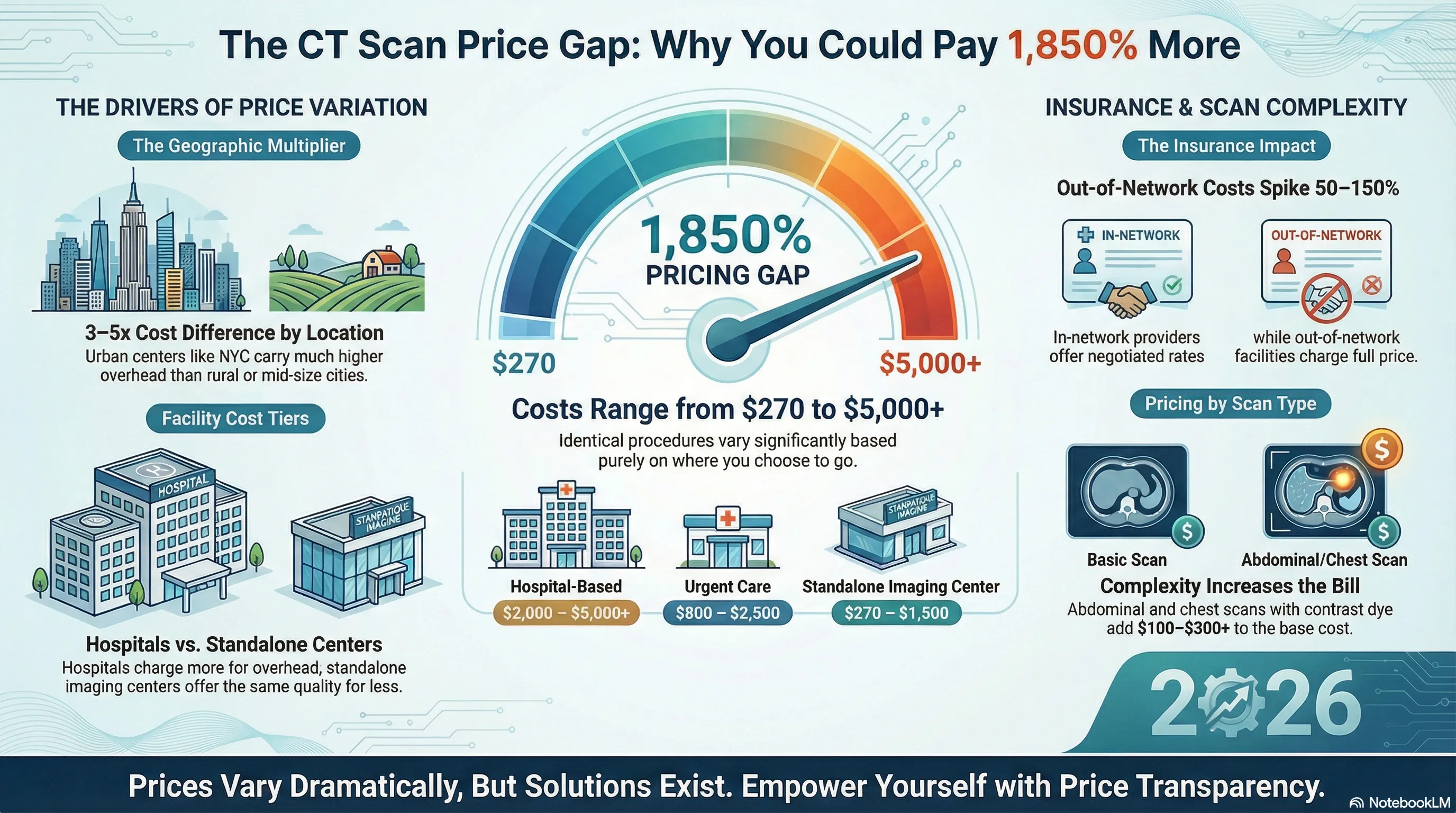
When your doctor orders a CT scan, you often wonder: "How much will this cost?" This is a legitimate question, but finding transparent pricing can be challenging. CT scans are valuable diagnostic tools, but their costs vary dramatically—the same procedure can range from $270 to $5,000+ depending on location and facility type, representing a 1,850% price variation for identical procedures.
Analysis of CT scan pricing from facilities nationwide shows that families often lack access to transparent pricing information. Understanding the factors that drive these costs—and knowing where to find real pricing data—can help you make informed decisions about where to get your scan and how to manage out-of-pocket expenses. You can use price comparison tools to verify your CT scan costs before scheduling.
Table of Contents
- Understanding CT Scan Costs
- Factors Affecting CT Scan Pricing
- Insurance and CT Scan Costs
- What's Changing for CT Scan Pricing in 2026
- Stop Guessing: Get Real CT Scan Costs with CostKits
- Get the CT Scan You Need Without Overpaying
- Frequently Asked Questions
Understanding CT Scan Costs
The cost of a CT scan can range dramatically, with prices starting as low as $270 and soaring up to $5,000 or more depending on various factors. According to the Healthcare Bluebook, a fair price for a CT scan is approximately $500. Medicare allows $169–$190 for head CT scans (CPT 70450) depending on state, while hospitals may bill $1,000–$1,400 for the same procedure. But why such a difference? Several factors contribute to these discrepancies, and understanding them is the first step to controlling your healthcare costs.¹
¹ Medicare allowed amounts based on 2026 CMS OPPS and Physician Fee Schedule rates by state.
Quick CT Scan Cost Comparison
| Facility Type | Typical Cost | Notes |
|---|---|---|
| Hospital Outpatient | $2,000–$5,000+ | Highest overhead and facility fees |
| Imaging Center | $500–$1,500 | Often cheaper, similar quality |
| With Insurance (In-Network) | $200–$800 | Depends on deductible and coinsurance |
These are estimated ranges; actual costs vary by location, facility, and insurance plan. See our CT Scan Cost by State guide for Medicare-based pricing across all 50 states and DC.
The Facility Makes All the Difference
The facility where the scan is performed—whether it's a hospital, a standalone imaging center, or an urgent care facility—can greatly influence the cost. Hospitals tend to charge more due to higher operating costs, administrative overhead, and different billing structures compared to independent imaging centers. Standalone imaging centers are often significantly cheaper while maintaining excellent quality standards.
Your Insurance Coverage Matters
Understanding your insurance plan is crucial in estimating your out-of-pocket expenses. Plans may cover a substantial portion of the cost, but deductibles and copayments could still leave you with a significant bill. Some insurance plans might require prior authorization for a CT scan, adding another layer of complexity that can delay your procedure if not handled correctly. Some plans also have different CT scan allowed amounts depending on the facility you choose—in-network providers have negotiated rates while out-of-network facilities charge full price.
What Your Out-of-Pocket Cost Really Means
Your out-of-pocket costs typically include your deductible (the amount you pay before insurance kicks in), copayment or coinsurance (your percentage of the negotiated rate), and any amount above what your insurance considers "reasonable and customary." When you understand your CT scan insurance EOB and compare it to your medical bill, you can catch errors and verify you're being charged correctly.
Factors Affecting CT Scan Pricing
Geographic Location and Regional Pricing
Location is one of the most significant determinants of CT scan costs. For instance, a CT scan in New York or New Jersey may cost $460–$846 (commercial range) while the same procedure in rural states may cost $370–$625.² According to research from the Healthcare Cost and Utilization Project and reporting by the Kaiser Family Foundation, regional pricing disparities are evident across many medical services. Urban areas typically have higher costs due to higher real estate prices, labor costs, and overhead. Even within the same metropolitan area, a scan at a hospital can cost 2–3x more than at a neighboring imaging center. The Centers for Medicare & Medicaid Services (CMS) now requires hospitals to publish machine-readable pricing files, making it easier to compare costs across facilities.
² Based on regional commercial insurance rates for CPT 70450 (head CT without contrast) from 2026 healthcare cost analysis.
CT Scan Cost by State (2026)
Want to know what CT scans cost in your state? We've compiled detailed pricing data for all 50 states and DC, showing Medicare allowed amounts, commercial insurance ranges, Medicaid estimates, and hospital chargemaster rates.
See full state-level Medicare and commercial pricing for all 50 states →
Type of CT Scan: Head vs Chest vs Abdominal
The specific type of CT scan your doctor recommends affects the price significantly. A head CT scan for a suspected stroke or trauma is typically less expensive than a chest CT with contrast dye (used for detecting blood clots or lung cancer). Abdominal CT scans often require IV contrast, which adds to the cost. Full-body CT scans with multiple series cost substantially more than single-area scans. Before your procedure, ask your doctor specifically which type you need and whether contrast dye is required—this information is critical for accurate pricing.
Technology and Advanced Imaging Protocols
Another key factor is the technology used. Advanced machines or additional contrast materials can increase the price. Hospitals with state-of-the-art equipment might charge more compared to facilities with older technology. Some facilities use low-dose CT protocols (reducing radiation exposure) which may cost slightly more but offer health benefits. Ask your healthcare provider about the specific technology available at different facilities—some imaging centers have invested in newer equipment and can actually provide better care at lower costs.
Contrast Dye and Specialty Protocols
If your CT scan requires IV contrast dye (often used for detecting blood clots, evaluating organs, or ruling out serious conditions), this adds $100–$300+ to the total cost. Contrast-enhanced CT scans take longer and require additional clinical oversight, but they provide much more diagnostic information than non-contrast scans. Some facilities also charge differently based on the type of contrast used or whether advanced imaging protocols are needed for your specific condition.
Insurance and CT Scan Costs
Health insurance can play a pivotal role in determining how much you'll pay for a CT scan. With insurance, the average cost of a CT scan can drop significantly. However, this depends on your plan's specifics, including deductibles, copays, and network providers. The Kaiser Family Foundation notes that understanding your insurance policy's details is essential for cost management.
In-Network vs Out-of-Network Facilities
It's crucial to know whether a facility is in-network or out-of-network, as out-of-network services can lead to dramatically higher costs. In-network facilities have negotiated rates with your insurance company, while out-of-network charges are typically billed at full price with minimal insurance assistance. This can result in out-of-network CT scans costing 50–150% more than identical in-network procedures. Always verify a facility's network status before scheduling.
Deductible and Coinsurance Impact
Your annual deductible is the amount you must pay out-of-pocket before insurance coverage begins. If your deductible hasn't been met, you'll pay the full negotiated rate for your CT scan until you reach it. Once you've met your deductible, coinsurance kicks in—typically 10–20% of the negotiated cost. Understanding where you are in your deductible cycle can help you plan your healthcare and potentially time procedures strategically.
Prior Authorization Requirements
Many insurance plans require prior authorization before CT scans, meaning your doctor must get pre-approval from your insurance company. Without prior authorization, your insurance may deny the claim or pay at a reduced rate. This adds 1–3 days to the scheduling process but is essential for avoiding surprise bills. If you're unsure about the charges on your CT scan bill, comparing it to your CT scan insurance EOB can help you identify errors and verify you received the negotiated rate.
What's Changing for CT Scan Pricing in 2026
The healthcare cost transparency landscape is evolving rapidly in 2026, and CT scan pricing is at the center of this transformation. Several regulatory and industry changes are making it easier for families to find real pricing information:
New Price Transparency Requirements
Following CMS regulations, hospitals must now publicly display machine-readable pricing files for all procedures, including CT scans. This means you can access real chargemaster data—the actual prices hospitals use—for comparison. However, these prices don't reflect insurance negotiations or your specific out-of-pocket costs, which is where tools that estimate your expected out-of-pocket cost can be helpful.
Growth of Direct Primary Care and Imaging Centers
More independent imaging centers are opening and competing on price while maintaining quality standards. Many of these facilities offer cash-pay discounts (20–40% off posted prices) and transparent pricing upfront. If you're uninsured or considering paying out-of-pocket, comparing these options can lead to substantial savings compared to hospital-based scans.
Insurance Plan Changes and Higher Deductibles
Many families are transitioning to high-deductible health plans (HDHPs) in 2026, meaning more out-of-pocket responsibility for diagnostic services like CT scans. This makes price shopping more important—when you're paying toward your deductible, a $5,000 hospital CT scan versus a $1,500 imaging center scan represents a meaningful difference in your costs.
Employer-Sponsored Price Shopping Programs
More employers are partnering with price transparency platforms in 2026 to help employees find lower-cost imaging and diagnostic services. If your employer offers a healthcare navigation or cost-reduction benefit, check if CT scan pricing comparisons are included—you may get instant price quotes before scheduling.
Finding Real CT Scan Costs
Generic price comparison websites show "estimated ranges" that may not reflect what you'll actually pay with your specific insurance plan. More detailed information can help you understand your actual out-of-pocket costs.
Information that helps identify CT scan pricing for your situation:
- Pricing from local facilities based on your insurance plan
- Quality and safety information to inform your choice
- Insurance coverage verification showing expected out-of-pocket costs
- Appointment coordination options
- Documentation to track what was billed versus what you expected
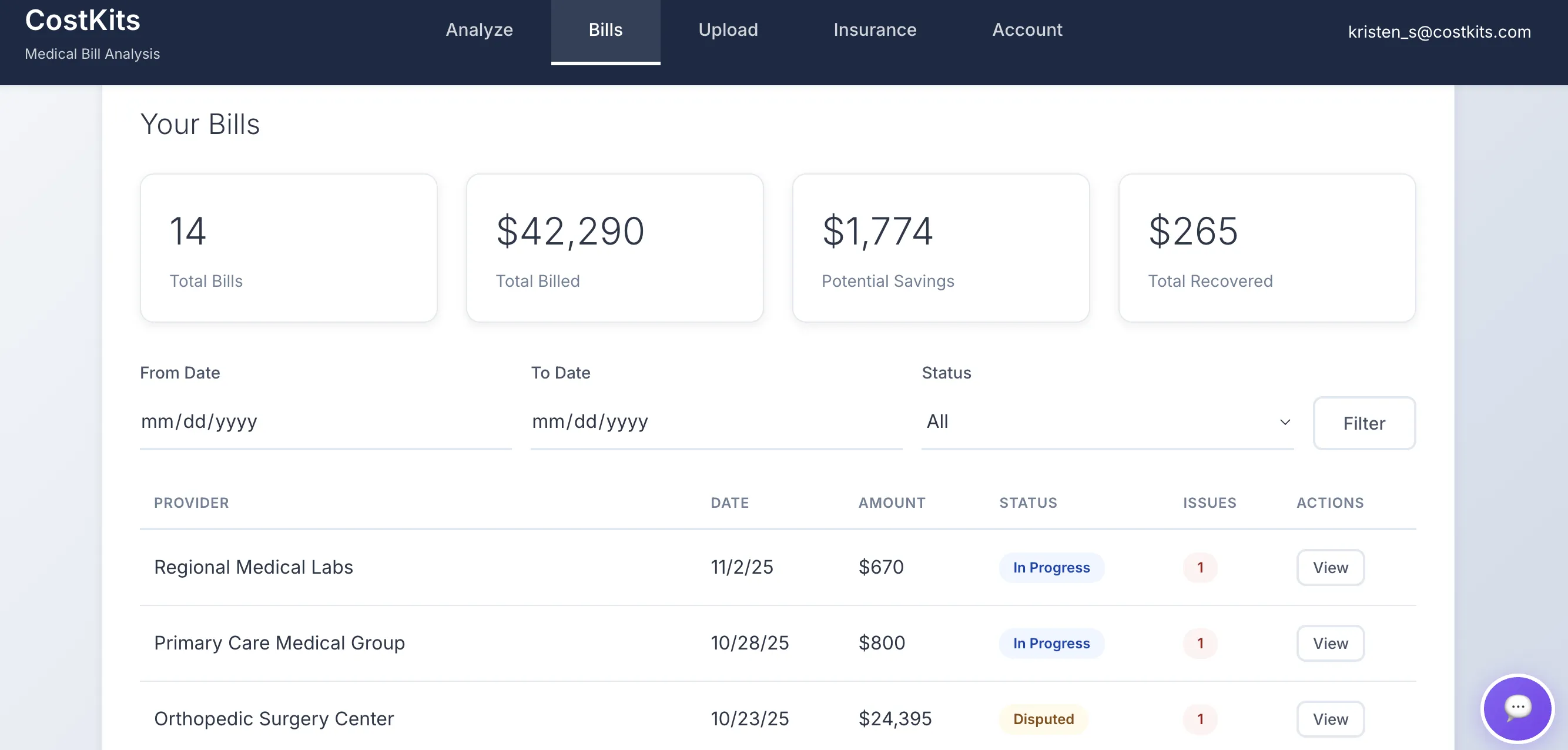
Example: A patient needed a chest CT scan. Her primary care facility quoted one price with her insurance. After checking other nearby facilities, she found an equally qualified imaging center with better pricing under the same insurance plan—a meaningful difference for her out-of-pocket costs. If you're unable to pay a CT scan bill immediately, it's important to understand what happens when medical bills go unpaid and what options are available for financial assistance or payment plans.
Price differences exist across all areas:
- Major Metropolitan Areas: Price variation across providers
- Urban Areas: Multiple facilities with different pricing
- Suburban Areas: Notable price differences between providers
- Rural Areas: Important to explore available options
Compare CT scan pricing in your area →
Making Informed CT Scan Decisions
The 1,850% price variation in CT scan costs reflects significant information gaps. When patients have access to transparent pricing and insurance verification information, they can make more informed choices about where to receive their care.
Ways to improve your CT scan cost understanding:
- Compare pricing across nearby facilities before scheduling
- Check quality ratings from various sources to ensure you're not sacrificing care for lower costs
- Verify insurance coverage by contacting your plan or using online tools to understand exact out-of-pocket costs
- Confirm facility network status to ensure you're comparing in-network options
- Ask about payment plans and financial assistance programs at facilities
When you compare available options, you may find meaningful differences in what you'll pay for CT scans compared to your doctor's initial recommendation.
If you've already received a CT scan bill and the cost seems high, you're not alone. Learning how to negotiate your medical bills can help you understand and potentially reduce what you owe, and many providers offer financial assistance programs. You can also identify billing errors on imaging bills, and review bills early to catch issues before you're expected to pay.
Compare CT scan costs at local facilities →
Related Articles
Explore more healthcare cost guides from CostKits:
- EOB vs Medical Bill: The Complete Guide – Compare your insurance statement to your medical bill line-by-line and catch billing errors before paying
- How to Negotiate Your Medical Bills: A Patient's Playbook – Learn proven strategies to reduce the cost of your CT scan bill after you receive it
- What Happens If You Don't Pay a Medical Bill – Understand your options if a CT scan bill goes unpaid and what timeline you have
- How to Read Your Medical Bill: A Step-by-Step Guide – Understand every line item and charge on your hospital or imaging center bill
Frequently Asked Questions
How much does a CT scan cost without insurance?
A CT scan without insurance typically costs $270–$5,000+ depending on location and facility type. Standalone imaging centers usually charge $500–$1,500 while hospitals often charge $2,000–$5,000+ for the same procedure. You can often negotiate cash-pay discounts of 20–40% if you ask about self-pay pricing upfront.
Why do CT scan prices vary so dramatically by location?
CT scan pricing varies 1,850% across different facilities due to regional healthcare costs, facility overhead, equipment type, local market competition, and state regulations. A scan in New York City may cost 3–5x more than an identical procedure in a rural area due to higher labor costs, real estate expenses, and different negotiation power with insurance companies.
Can you negotiate CT scan prices?
Yes—both before and after the scan. Before scheduling, ask about cash-pay discounts, financial assistance programs, and payment plans. Many imaging centers offer 15–40% discounts for upfront payment. If you've already received a bill, you can negotiate your medical bills by appealing denials, requesting financial hardship assistance, or working with patient advocacy organizations.
Does insurance cover CT scans?
Most insurance plans cover CT scans when medically necessary, but coverage depends on your plan's specifics, deductible status, and whether the facility is in-network. If your deductible hasn't been met, you'll pay the full negotiated rate. Out-of-network CT scans may have limited coverage (sometimes as low as 50%). Always verify coverage with your insurance company before scheduling.
What is the average CT scan cost with insurance?
With insurance, the average CT scan costs $200–$800 depending on your deductible and coinsurance. If your deductible hasn't been met, you'll pay the full negotiated rate (typically $800–$2,500). If your deductible is met, you'll pay 10–20% coinsurance on the negotiated rate. Comparing in-network facilities can save you hundreds of dollars in coinsurance.
How can I find the cheapest CT scan near me?
Use price transparency tools like CostKits to compare real costs at different facilities with your specific insurance coverage. Call imaging centers directly and ask for cash-pay pricing. Ask your doctor if they can recommend a lower-cost facility that's still in-network and meets quality standards. Many independent imaging centers offer significantly lower prices than hospitals while maintaining excellent quality ratings.
About the Author
John Caruso, FSA, MAAA is a healthcare actuary with 20+ years of experience in insurance pricing, medical billing systems, and healthcare cost analytics. He founded CostKits to help families understand and control their healthcare expenses. Connect on LinkedIn →
Find CT scan options in your area with real pricing and quality ratings.